

Drip Filter Coffee Machines
This drip coffee maker is easy to use and set up, thanks to its small footprint and reusable filter which can be cleaned in the dishwasher. It will make a large mug (or travel mug) of hot filter coffee in three to four minutes.
Pour the water into the reservoir base or reserve, and follow the steps. A medium grind size is best, as it will allow for constant extraction to ensure that your coffee tastes delicious.
It's simple to use
Drip filter coffee machines utilize a reservoir of water to heat, and then drip water over the grounds, which results in a pot of brewed coffee. They are simple to operate and produce excellent coffee. There are some things you need to think about before purchasing one.
First, select a model with a large enough water reservoir. The reservoir should be large enough to brew two cups of coffee. If you make use of less water than is recommended it could result in weak and bitter coffee. Also, ensure that the water is fresh and filtered before filling the reservoir.
Add the appropriate amount of coffee grounds to the basket of filtering, and then place it into the machine. It's important that the filter is compatible with the machine and that the grounds are evenly distributed to ensure a balance extraction of flavor. There are a range of sizes of filters, from paper to reusable ones. Some models also come with a holder for a coffee scoop which is useful for making batches of coffee.
Pour the water into the reservoir after adding the filter and grounds. Follow the directions of the manufacturer. The reservoir usually has markers that show how much water you'll need to brew. It is crucial to note that the water should be clean, filtered, and cooled. The flavor of the final product may be affected by water that is too hot or cold.
After a few minutes, the machine will begin to begin to brew. After the coffee has been ready to drink, remove the coffee from the reservoir. Place it in a carafe or cup. Some models come with a timer that can be set up to turn off or on at specific time intervals. This way, you can awake and enjoy the aroma of freshly brewed espresso.
If you're looking to purchase a more advanced model, you should consider getting one with a thermal carafe or programming capabilities. These features will help you prepare hot coffee before you get up in morning.
They're affordable
Drip filter coffee makers are a simple method of making the perfect cup of coffee. They are inexpensive and simple to use, and also save you time and money in the long run. The filter you choose and the water quality you choose to use can have a major impact on the final cup of your coffee. The most important thing to keep in mind is to keep your drip machine clean and free of hard water deposits, coffee oils, and other contaminants that can affect the flavor of your coffee.
DRIP machines are available in a variety of sizes, from single-serve models that can hold five or four ounces liquid to carafes that are able to make 12 or more cups at a time. The size you select will depend on your needs and how many people you're brewing for. Also, you should consider the dimensions of the machine since certain machines will take up an enormous amount of counter space.
To use a drip filter coffee maker, start by filling the reservoir up with fresh, filtered water. The reservoir typically has markings to indicate the amount of cups you wish to brew. Once the reservoir is filled with coffee, add the ground coffee and gently tap it against the countertop to level the grounds. Then, place a paper filter into the basket and gently press it down to ensure a uniform distribution of the water. The brewing process starts by activating the power switch.
The water in the reservoir reaches the perfect temperature for extraction of coffee, and is absorbed by the grounds and flows into the carafe. The heat from the brewing process causes the grounds to absorb water, which then drips into the pot. The process can take anywhere from seven to eight minutes, and once it's complete, your coffee is ready to be poured into mugs. It's much simpler than a French Press, which involves mixing coffee grounds and boiling water in a glass container. It's important to note that the non-drip method may result in a grainy or gritty taste in your cup of joe.
It's easy to clean
Whatever model you own, whether a top-of-the-line model or a bargain basement model drip filter machines are simple to clean and maintain. Cleaning your coffee maker regularly will ensure it can continue to make delicious, rich brews and perform well for many years. Coffeee UK helps prevent obstructions and other issues, which can affect the taste and quality of your morning cup.
To begin, fill the reservoir with clean, filtered water. Ideally, you should use water that is softened to help reduce the accumulation of mineral deposits within your machine. Once the reservoir has been filled, add the measured amount of ground coffee to the filter basket. It should be placed in the correct position to ensure even water distribution.
Then, take out the brew basket and carafe from the machine. Hand-wash in the sink using soapy water. Make sure to wash the removable parts thoroughly, paying special attention to the filter and carafe rims. After rinsing, dry all components using a clean dish towel, taking care to avoid watermarks or leftovers.
Alternately, soak the filter in a solution made of equal parts white vinegar and water. Then, leave it in the solution for about 30 minutes and then thoroughly rinse it. This should remove any stubborn stains from the metal. A nonabrasive sponge is a useful tool for cleaning, as it assists in lifting the dirt that is difficult to remove. You can also make use of an alcohol solution to remove any residue.
Once you've cleaned your coffee maker, it's important to regularly descale it to prevent mineral deposits from being formed on its pumps and heating elements. Simply run a loop of water mixed with white vinegar in your coffee maker to clean it. After the cycle is complete then drain and dispose of the water. Repeat this process every three months to prevent any further clogs.
They're good to the environment
A drip filter machine is an excellent alternative for offices that are eco-friendly. A drip filter coffee maker is a great option for offices that are environmentally friendly. Unlike regular machines, which produce a lot of plastic waste the drip filter machine doesn't. It also consumes less energy than other types of coffee makers, which helps reduce greenhouse emissions. Many drip filters are constructed of high-quality papers, and can be used up 100 times before they clog or transfer foreign flavors.
A typical drip filter coffee maker is made up of a reservoir that stores water and a tube that connects the reservoir to the cup into which you pour your coffee. The water is heated and then dripped over the coffee grounds, which is what causes the coffee to become stale. This process can take several minutes. If the grounds are not evenly distributed, an uneven brew will result. To make sure that the water gets to all the grounds it is essential to stir them regularly for a few minutes to keep them from burning and overheating.
Drip filter coffee is typically lower in calories and fat than other espresso types which makes it healthier for those who enjoy it in moderate amounts. However drinking too much coffee could result in anxiety, insomnia and high blood pressure and gastroesophageal reflux disease. It is also advised to stay clear of coffee for those who suffer from certain medical conditions such as Parkinson's or endometrial cancers.
Despite the fact most coffeemakers are made from aluminum and plastic, some companies provide compostable pods. However, these coffee pods are made of aluminum and plastic and contribute to plastic pollution. They are also difficult to recycle. If you want to minimize your environmental impact it is best to stick with the traditional drip-filter coffee machine.
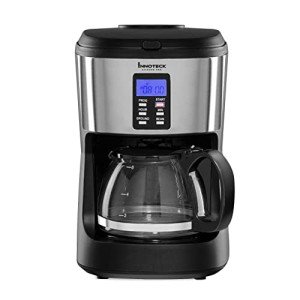
Although the production of all goods can have negative effects on the environment, it's not as bad as you may think. The most significant impact is due to the use of fossil fuels in the production, transport, and operate these products. Utilizing a drip filter coffee machine will aid in reducing these negative effects and also reduce your carbon footprint in the process.